


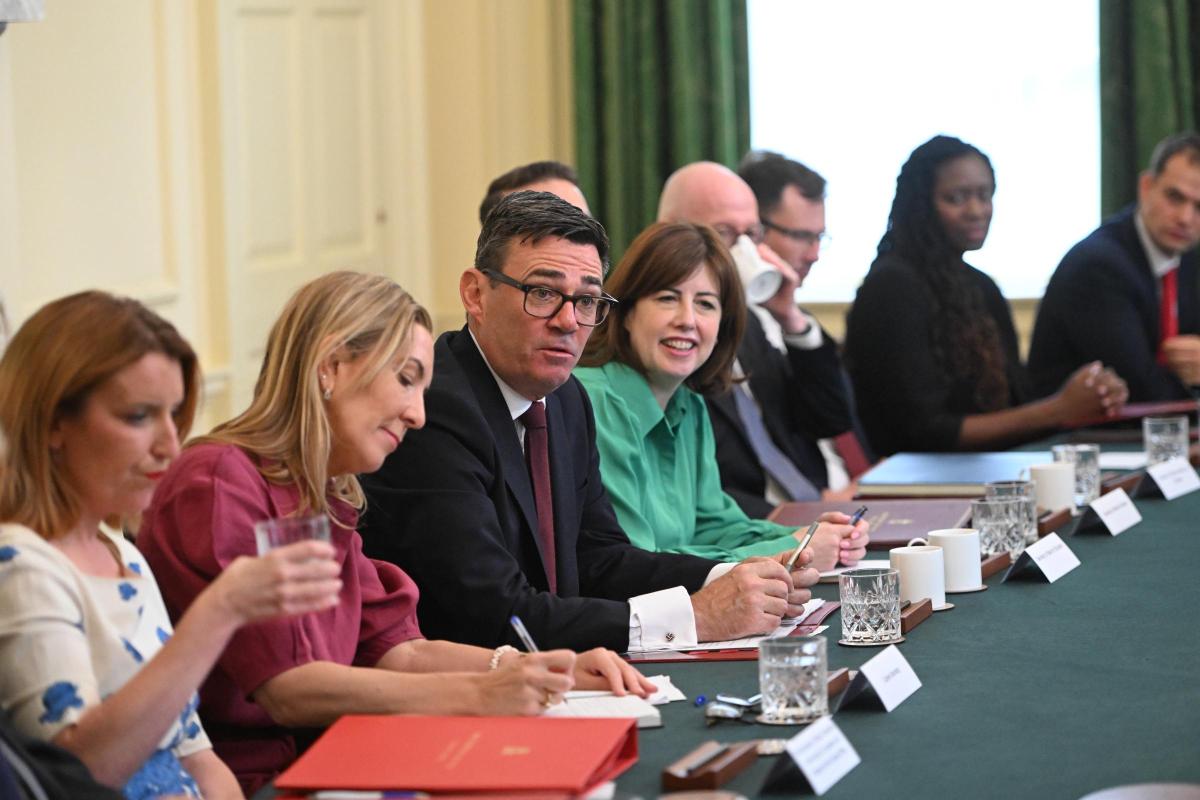
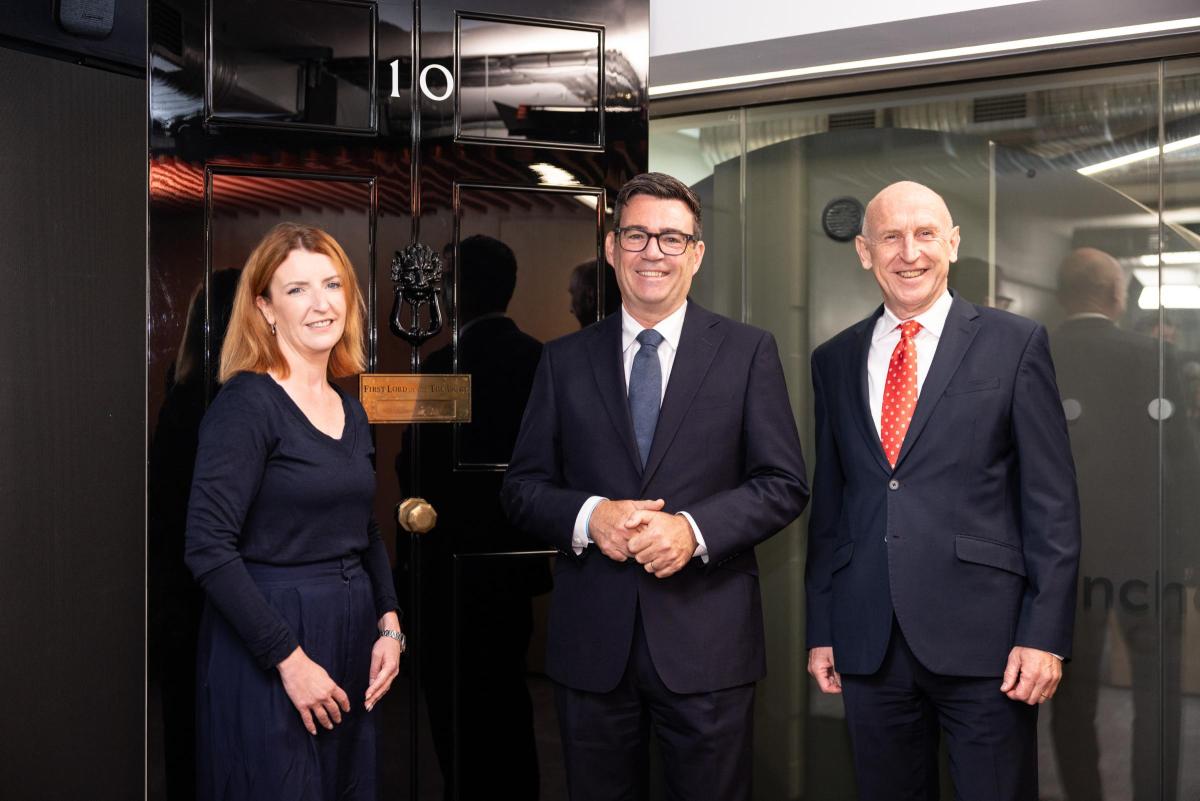

Employers could face tougher rules when rejecting work-from-home and flexible working requests, under plans announced by Andy Burnham's government.
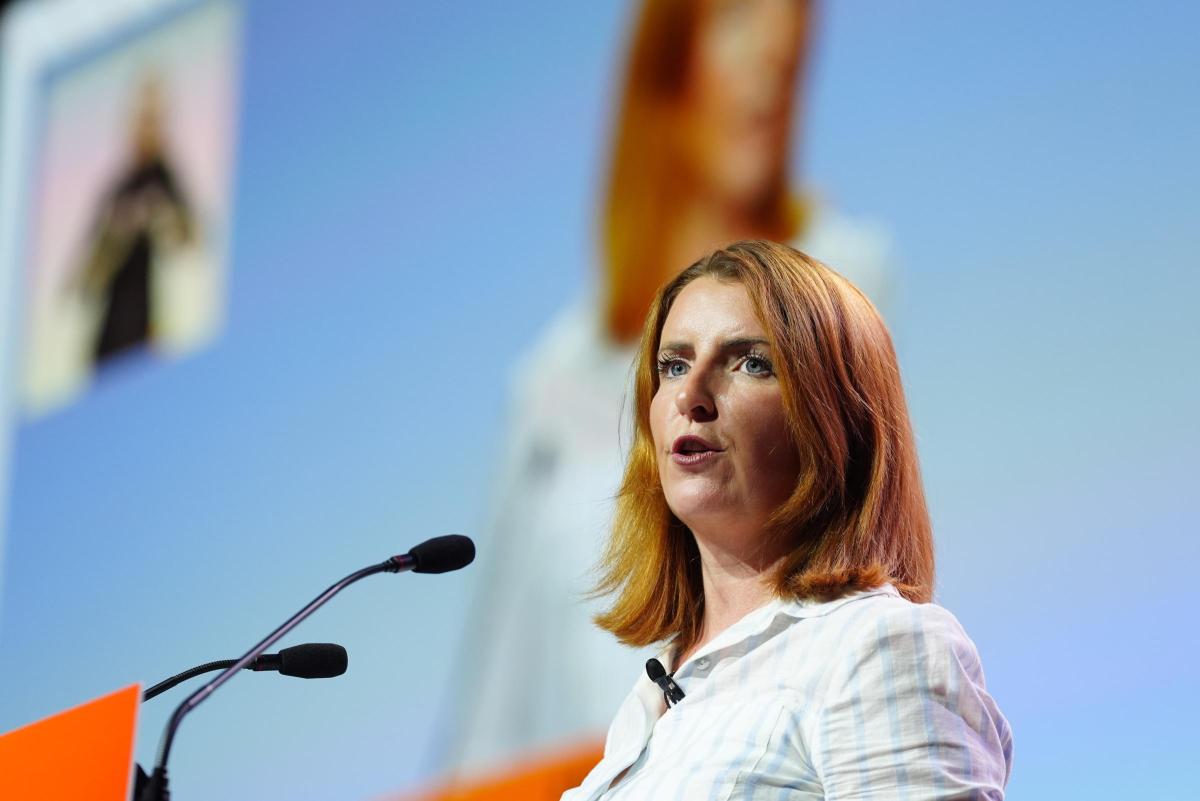
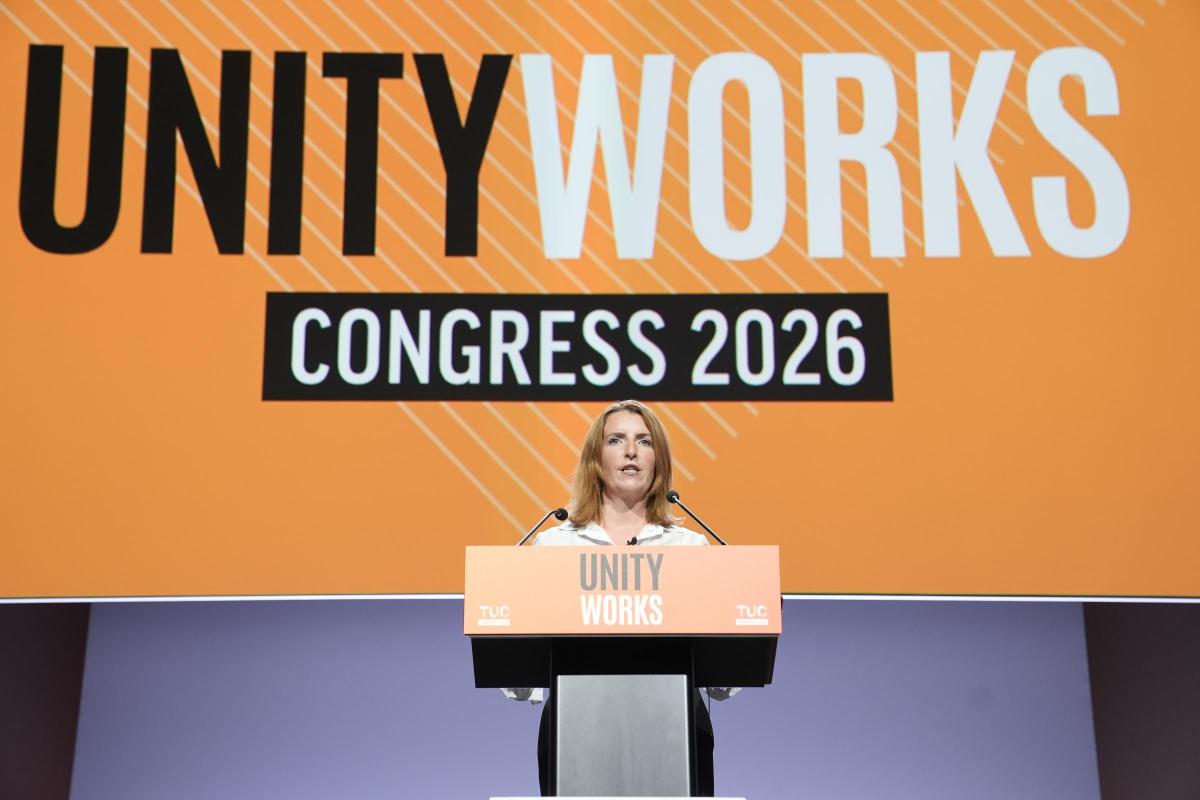
Businesses would need to show they had "properly" considered a worker's request before turning it down, First Secretary of State Louise Haigh told the annual Trade Union Congress (TUC) in Brighton.
The move comes as new research reveals almost two in five managers say flexible working is one of the main reasons they stay with their employer - with remote and hybrid working ranking ahead of competitive pay, job security and interesting work.
"That is what putting power back into the hands of working people looks like," Haigh said.
She also highlighted the pressures facing workers juggling jobs with family and caring responsibilities: "life isn't always as neat as employers would like it to be".
"There's kids to pick up. Parents to look after. Families who rely on us at short notice. And sometimes, a little bit of flexibility can make all the difference," she said.
Most flexible working requests are still from women, but Anna Whitehouse, who founded the Flex Appeal Campaign, says more men need to be allowed to work around their family commitments. She posted on her account Mother Pukka: "It’s painfully easy to fix: I need employers to step-up and accept flexible working requests from men. Gone are the hapless dad tropes of an era when men earned the bacon and women cooked it."
She added: "I heard from a dad recently who put his flexible working request in and his boss simply said: “Can’t your missus do that?” No, no she can’t. She can’t do it all. She’s working, too."
Flexible working has become one of the main reasons for managers to stay in their jobs, according to new research, out today.
Work arrangements including remote and hybrid working was said to be more important than competitive pay, job security or interesting work.
A survey of more than 1,000 managers by the Chartered Management Institute (CMI) found that almost two in five said flexible working was one of the main reasons they remained with their current employer.
Recommended reading:
- Are you being paid enough? How much the average person earns at your age
- Just 1 in 16 pensioners could benefit from new State Pension tax break
- Starbucks fans rush for new Snoopy collection as limited-edition range launches
Petra Wilton, director of policy at the CMI, said: “Flexibility matters to many of us. It can mean doing the school run, caring for a relative, attending a medical appointment or working around punishing commuter rush hours. For many people, that now matters as much as pay or job security.
“Managers need the skills to find that balance, as they know that being together as teams has an important role to play, especially when it comes to onboarding new recruits effectively and bolstering team dynamics.
“Skilled managers recognise this and choose what good looks like for their teams and that includes ensuring employees feel valued and heard when it comes to reasonable flexible working requests.”


Share