





LLANBRYNMAIR is a small but historically rich village in northern Powys, formerly Montgomeryshire, with roots stretching from prehistoric times to the broadband age.
Its story weaves together early settlement, religious radicalism, mass emigration, and a strong modern Welsh‑speaking community.
The wider Llanbrynmair community includes hamlets such as Talerddig, Dolfach, Bont-Dolgadfan, Pandy, Cringoed, Dylife and Pennant, spread along upland valleys and old routeways.

Archaeological records show prehistoric sites in the area, including cairns on nearby hills, indicating very early settlement above the Twymyn and other local rivers.
The original village focus was at Llan, on the old road towards Llanidloes, where St Mary’s parish church still stands amid fields and farms.

The present roadside centre of Llanbrynmair, at the junction of the A470 and B4518, only grew in importance after the turnpike road was built in 1821 and later with the coming of the railway.
Llanbrynmair became famous in Wales for its strong Nonconformist tradition, playing a leading part in the “Nonconformist Revolution” that challenged the Church of England in the late eighteenth and nineteenth centuries.

Chapels and independent ministers from the parish helped spread radical religious and social ideas through Montgomeryshire and beyond.
The parish also gained a remarkable reputation for emigration: it is said to have sent more people per head to America than any other parish in Wales.

The first organised group left in 1795–1796, and many later emigrants settled in western Ohio, in communities such as Paddy’s Run (now Shandon), Gomer and Venedocia, creating a strong Welsh‑American link.

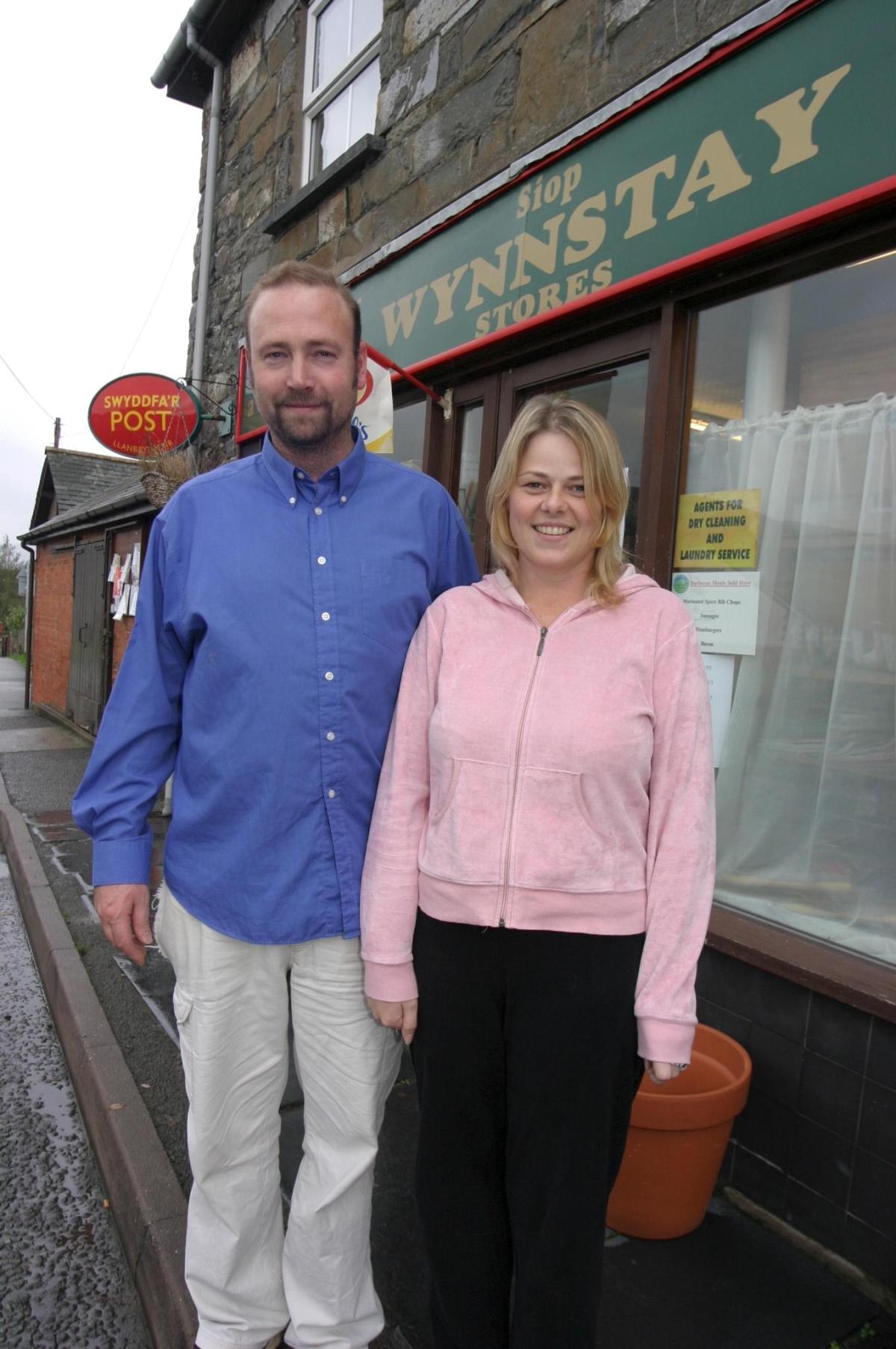
Much of the area once formed part of the large Wynnstay Estate, reflected in the name of the local Wynnstay Arms and the former name “Wynnstay” for the roadside village centre.

The Cambrian railway line, opened in the 1860s, ran through Llanbrynmair and helped carry lead ore from the Dylife mines as well as passengers and livestock.
Llanbrynmair station closed in 1965 under the Beeching cuts, a major change that shifted the village back towards road transport.

In more recent history, a level crossing at the old station site was closed after a fatal accident in 1999, and in 2024 the community near Talerddig experienced a serious train collision on the same line.
The parish has produced or nurtured a number of notable Welsh cultural and public figures.

These individuals give the village a surprisingly wide historical footprint for its size.
Among such celebrities are Richard Davies “Mynyddog” (1833–1877), poet and celebrated eisteddfod conductor, lived at Fron, Llanbrynmair, and is buried locally, Iorwerth Peate (1901–1982), key founder of St Fagans National Museum of History, who had roots in the area., Abraham Rees (1743–1825), editor of the vast “Rees’s Cyclopaedia”, and Samuel Roberts (1800–1885), writer and social campaigner, were associated with the parish and its Nonconformist life.

Other sons of the area include Independent minister John Breese, hymnologist Josiah Jones (pen name Josiah Brynmair, later buried in Ohio), and American politician Richard P. Howell.
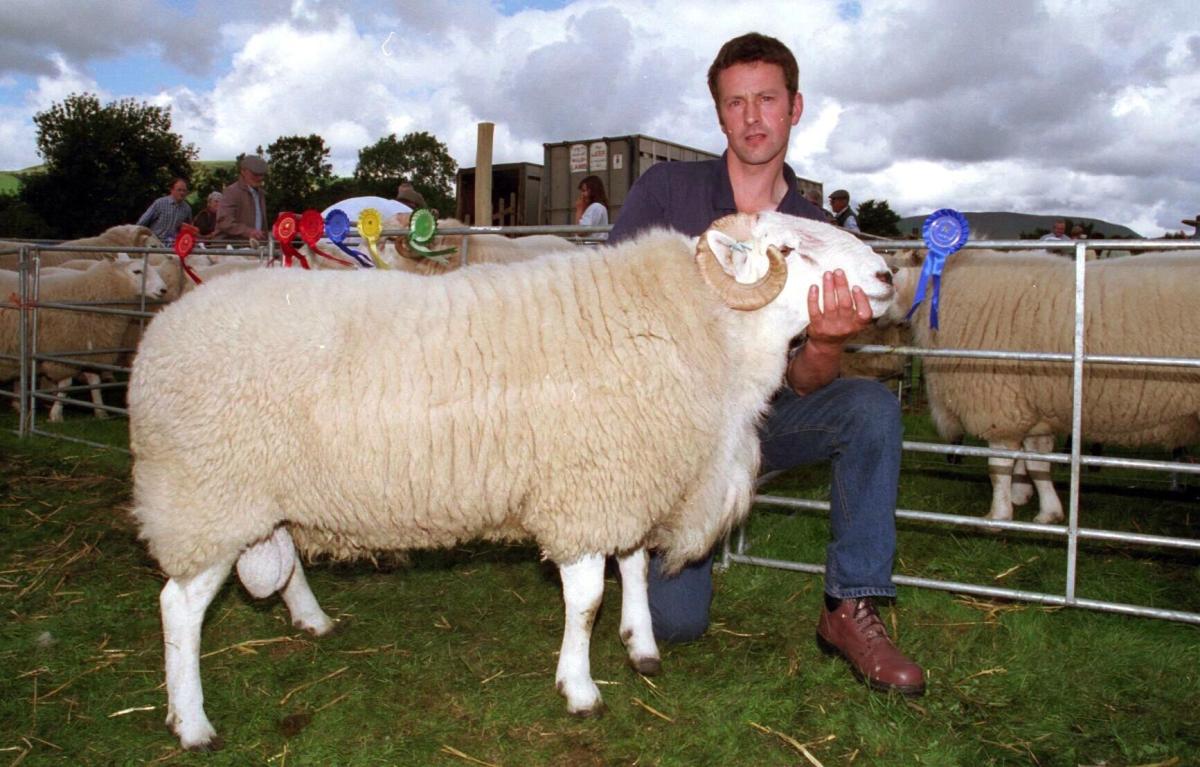
Today Llanbrynmair remains a predominantly Welsh‑speaking, livestock‑farming community strung along the A470 between Caersws and Machynlleth.
The village has a primary school, places of worship, a pub (the Wynnstay Arms), small local businesses and accommodation such as guest houses or bed and breakfast establishments serving travellers and visitors.

The Cambrian railway line still passes nearby, even though the local station is gone, and the village benefits from road connections and nearby walking country in the Dyfi and Twymyn hills.
In October 2024 Llanbrynmair became the first area in the UK where every resident had access to full‑fibre broadband, a striking contrast with its nineteenth‑century emigrant and railway history yet another chapter in the village’s evolving story.


Share